How much protein do you need and what are the best sources?
A few years ago, protein was mostly associated with bodybuilders and shaker bottles at the gym. Today, though, it’s everywhere: protein yoghurts, protein bars, high-protein coffees and shakes line the shelves of every shop. But do we really need more protein, or is this just another nutrition trend?
The answer lies somewhere in between.
Why is it important to eat protein?
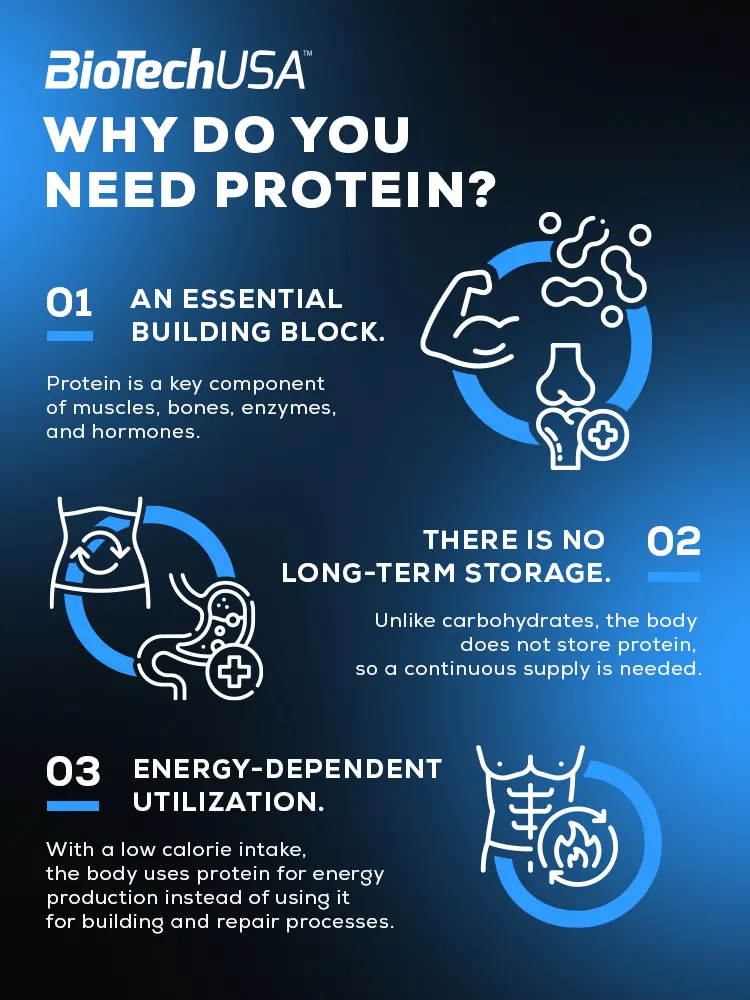
Protein really is one of the most important nutrients we consume: it’s a fundamental building block of our muscles, bones, enzymes and many of our hormones. However, the body can’t store it long-term the way it stores carbohydrates or fat, so it needs a continuous supply. It’s no coincidence that adequate protein intake today isn’t just a topic for athletes — it’s become a central question in health-conscious eating generally.
General recommendations suggest that for an average adult, a daily intake of 0.8 g of protein per kilogram of body weight can be considered a baseline, though this need can vary significantly depending on your life situation. During exercise, dieting, intense physical activity or muscle-building, considerably more protein may be needed — to support muscle-building processes, an intake of around 1.6 g/kg body weight per day is often recommended. (1)(2)
Age is also an important factor. As we get older, the body becomes less efficient at using protein, so for people over 60, an intake of 1.2–2 g/kg may well be justified. (3) During pregnancy and breastfeeding, an increased protein requirement is a natural physiological process, while in children and adolescents, growth and heightened activity levels raise the requirement. (4)(5)
Protein intake, however, isn’t just a question of quantity. The body also needs energy in order to actually use the protein it takes in as “building material.” If energy intake is too low, some of that protein simply gets used for energy production instead. That’s why, in sports nutrition, it’s never just about protein on its own — it’s about how well the whole diet works together. (6)
Protein shakes: a practical dietary supplement
In practice, though, ensuring optimal daily protein intake isn’t always easy. On a busy workday, after a workout, or during a diet, convenience often becomes a factor too. This is exactly why protein shakes and protein powders have become so popular: they offer a quick, practical, and easily dosed way to plan your daily protein intake more consciously and more simply.
These considerations can be especially important during a diet, when building muscle, or even during weight management. To choose a product that genuinely fits your goals, though, it’s worth understanding the differences between protein powders a little more deeply.
And that brings us to the next question: how do you know which protein powder is the right choice for you?
What makes a protein powder “good”?
Protein powders differ not only in how much protein they contain, but also in quality. Quality is determined mainly by their amino acid composition and how well and easily they’re used by the body.
Whey protein stands out in this respect: it has a high biological value, is absorbed quickly, and is rich in essential amino acids — its leucine content in particular is significant. Leucine plays a key role in triggering muscle protein synthesis, which is also why it’s emphasised so much in sports nutrition.
The degree of processing refines this picture further. Concentrate is a more natural, less “purified” form, while isolate is a filtered, more concentrated version, with excess fats and carbohydrates removed. This affects not only the macronutrient ratios but also digestibility and the speed of absorption. Isolate has a higher protein content and less fat and milk sugar, while concentrate goes through fewer filtration steps and so retains more of the natural milk components, making it a somewhat “fuller” nutrient profile.
Interestingly, the speed of absorption isn’t always an advantage or a disadvantage — it depends on when you consume it. After training, fast absorption is ideal, while for replacing a meal, slower, more sustained absorption can be more beneficial.
How can you choose the protein powder that’s right for you?
When choosing between different products, it’s not just the numbers that matter, but also the life situation and purpose behind using them.
In practice, this means that, for example, Iso Whey Clear offers a completely different drinking experience: it’s more of a refreshing drink than a classic shake. This is a big plus for many people, especially if they don’t want a thick, milky texture after training.
100% Pure Whey is a stable, well-proven choice that holds its own in most situations thanks to its creaminess. Iso Whey Zero, meanwhile, is aimed at those looking for the purest possible formula, with minimal fat and sugar content.
Whey Shake is an interesting middle ground: thanks to its fibre content, it doesn’t just deliver protein but also a feeling of fullness, which can be useful even on a rushed day.
What happens if you don’t get enough protein?
This is a frequently underestimated issue. The body doesn’t store protein the way it stores fat or carbohydrates, so regular intake with meals is essential.
If protein intake stays low for a long time:
- muscle mass maintenance can suffer
- recovery can slow down
- feelings of fullness can decrease (which can lead to overeating)
This can be especially important during a diet, where adequate protein intake can help preserve muscle mass. Eat protein-rich foods and aim for a balanced diet! If needed, supplement your meals with various protein powders.
Alternatives for a dairy-free diet
Not everyone can or wants to consume whey protein. In these cases, alternative solutions come into play: beef or plant-based protein powders, which can also be safely consumed by those with lactose sensitivity.
Beef Protein is a completely dairy-free option that contains hydrolysed beef protein. Its advantage is that it’s absorbed quickly and used efficiently, putting it functionally close to whey.
Vegan Protein is a complex plant-based solution that combines several protein sources. This matters because plant proteins on their own are often not complete, but combined, they can provide the right amino acid profile.
An interesting observation is that the choice here is rarely about taste — it’s much more often about lifestyle or digestive considerations.
Choosing protein according to your goals
Choosing a protein powder isn’t a right-or-wrong decision — it’s an opportunity to supplement a proper, varied diet. The amount of daily protein intake, however, also depends on your goals — whether that’s weight management, a diet, or bulking.
Many people want to build muscle but simply can’t take in enough calories. In this case, classic protein powders on their own aren’t enough — it’s important to also get the rest of your macronutrients. A more complex formula, such as Hyper Mass, can help here — alongside protein, it also provides creatine and a significant amount of carbohydrates. This not only provides energy but also helps the body actually build, since it supports adequate energy supply too.*
How can you fit protein intake into your routine?
It’s important to highlight that protein intake should, in every case, be based on a balanced diet built around solid food. Meat, fish, eggs, dairy products, or plant-based protein sources such as lentils, beans, soy and peas provide not only protein but also many other important nutrients, vitamins and minerals that contribute to the body functioning optimally.
Protein powders and shakes play a supplementary role within this system. They help when a lack of time makes a balanced, complete meal impossible, or when you specifically want to add protein — for example, after training. They’re practical, precisely dosable, and fit well into a conscious diet, but they don’t replace varied nutrition.
It’s also important that protein intake alone isn’t enough to achieve the desired results. If your goal is to increase muscle mass, then alongside regular exercise, good-quality, sufficient sleep is also essential. Protein provides the building material, but the stimulus needed for muscle building comes from the balance between training and recovery.
If your calorie intake isn’t sufficient, or you don’t give your body time to rest, progress will be slower regardless of how much protein you consume. The best results, therefore, come from a well put-together system: a conscious diet, adequate protein intake (supplemented with protein shakes where needed), along with consistent training and enough time for recovery.
*Creatine increases physical performance during short-term, repeated high-intensity exercise, at a minimum intake of 3 g.
Sources
1 https://www.ncbi.nlm.nih.gov/pmc/articles/PMC4924200/ (Protein Consumption and the Elderly: What Is the Optimal Level of Intake? last accessed 07.03.2024)
2 https://www.ncbi.nlm.nih.gov/pmc/articles/PMC5828430/ (How much protein can the body use in a single meal for muscle-building? Implications for daily protein distribution, last accessed 07.03.2024)
3 https://www.ncbi.nlm.nih.gov/pmc/articles/PMC4924200/ (Protein Consumption and the Elderly: What Is the Optimal Level of Intake? last accessed 07.03.2024)
4 https://www.ncbi.nlm.nih.gov/pmc/articles/PMC4942872/ (Protein and Amino Acid Requirements during Pregnancy, last accessed 07.03.2024)
5 https://www.ncbi.nlm.nih.gov/pmc/articles/PMC8147948/ (Dietary Protein Requirements in Children: Methods for Consideration, last accessed 07.03.2024)
6 https://www.ncbi.nlm.nih.gov/pmc/articles/PMC6566799/ (Dietary Protein and Muscle Mass: Translating Science to Application and Health Benefit, last accessed 07.03.2024)